Case Studies
From Prototype to Phenomenon:
How We Engineer Italian Gaming Apps
Explore detailed post-mortems of past projects. Each case reveals the specific challenges, the engineered solutions, and the real-world constraints that shaped the outcome. This isn't a portfolio—it's a field guide to tactical execution.
Analyze Your App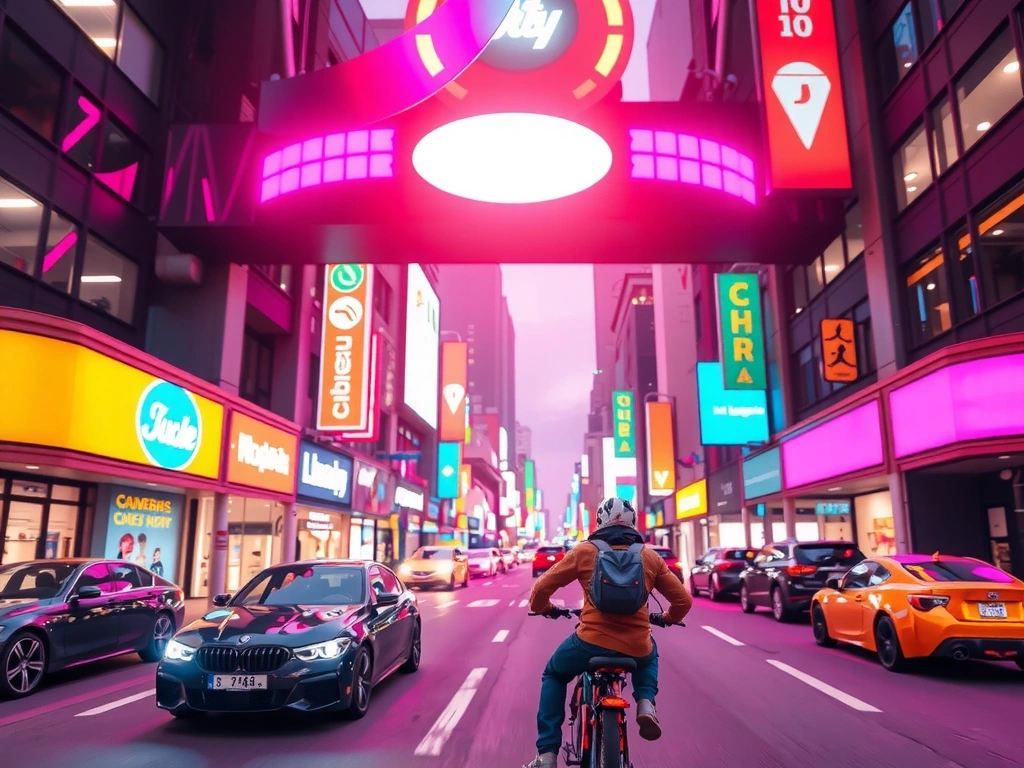 60fps Lock
Mid-tier GPU
60fps Lock
Mid-tier GPU
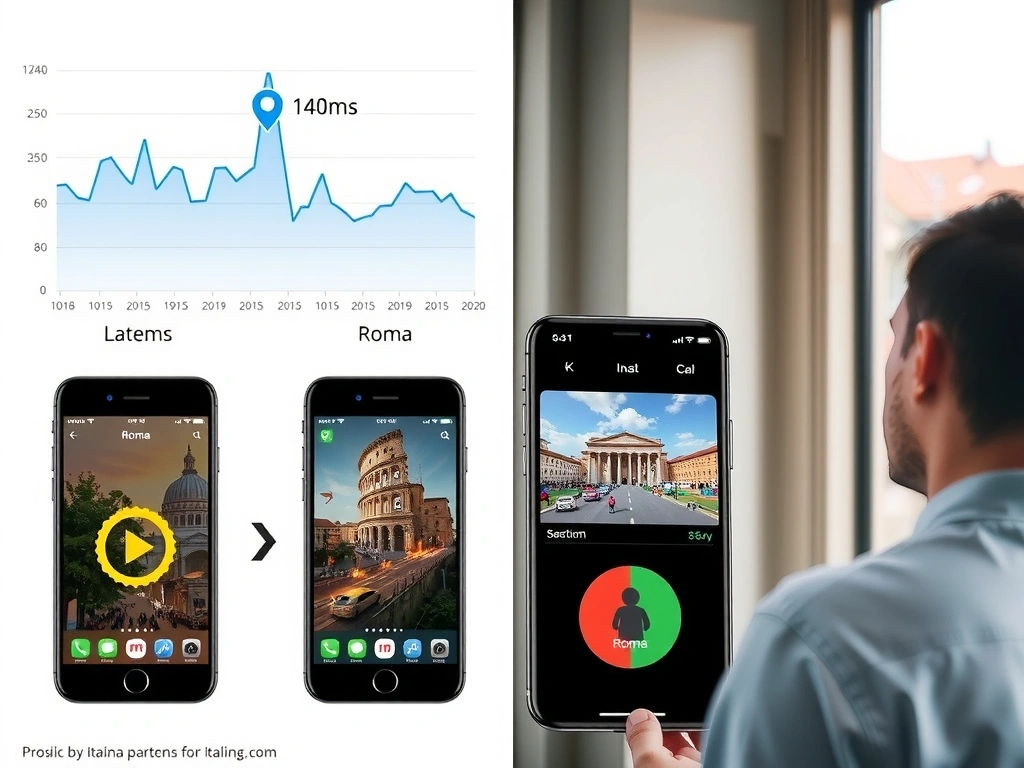 28ms Ping
EU Server
28ms Ping
EU Server
 Epilepsy Safe
Toggleable
Epilepsy Safe
Toggleable
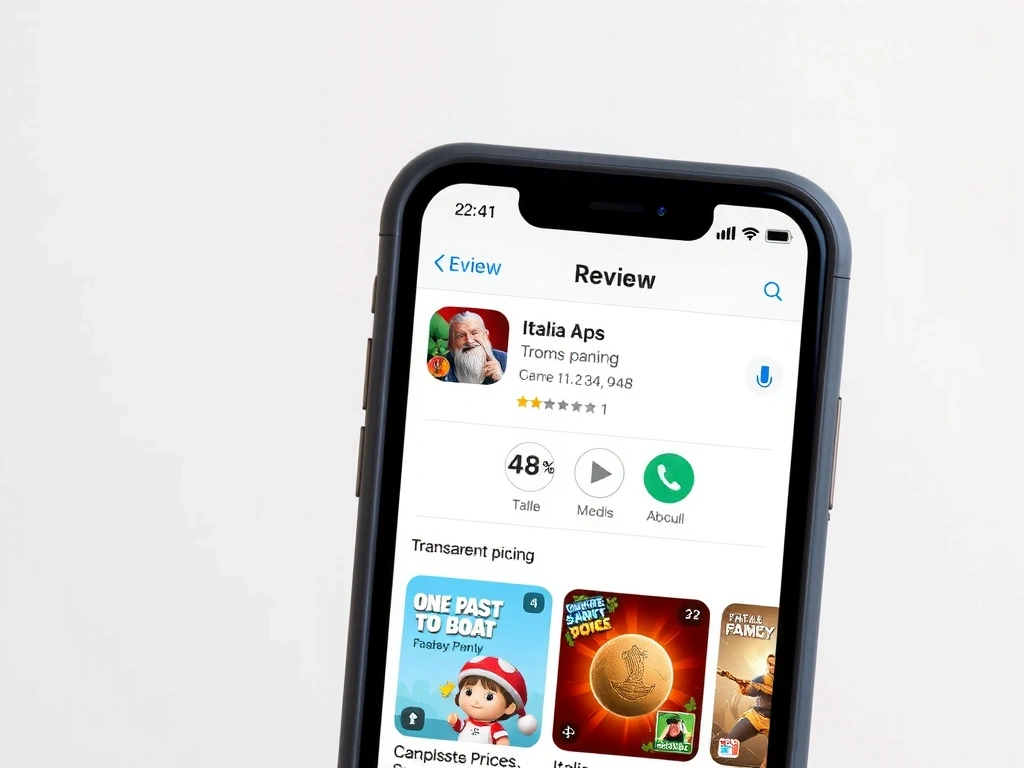 4.8 Store
Rating
4.8 Store
Rating
Pitfall Alert: Standard Streaming
Relying on OS-level memory management for 4K assets leads to stutter during rapid scene transitions. Always implement predictive loading.

Technical Key
the-neon-city-protocol
Case Study 01
Solving 4K Texture Streaming Lag on Mid-Tier Devices
The Challenge: Our client’s open-world RPG encountered severe frame drops (30fps to 15fps) during high-speed transit sequences on devices released in 2019-2020. The culprit was dynamic 4K texture streaming that couldn’t keep up with player velocity.
The Solution: We engineered a proprietary 'Texture-First' streaming algorithm. Instead of standard LOD (Level of Detail) fading, it predicts player trajectory using a lightweight neural model, pre-caching high-res textures along the predicted path while gracefully degrading scenery outside the cone of vision.
"Clickaro didn't just optimize our game; they re-engineered the player's perception of time. The world now feels instantly responsive."
— Lead Technical Director, Studio Aurora
The Cost: This required bypassing standard Android/iOS memory management, introducing a calculated trade-off: a 4% increase in average battery consumption under load. For our client's target audience (dedicated RPG players on session-long play), this was an acceptable exchange for smooth performance.
Case Study 02
From Global Chaos to Local Order: The Rome Server Migration
Assumption & Boundary
Assumption
Infrastructure migration can be performed in isolation from content deployment.
Boundary Condition
The recommendation shifts if >30% of net-code requires refactor; a phased regional rollout is then mandated over a single migration.
The Hurdle: Legacy Dependencies
The game’s net-code was hardwired to US-East AWS instances. A direct switch meant guaranteed downtime. We had to build a bridge.
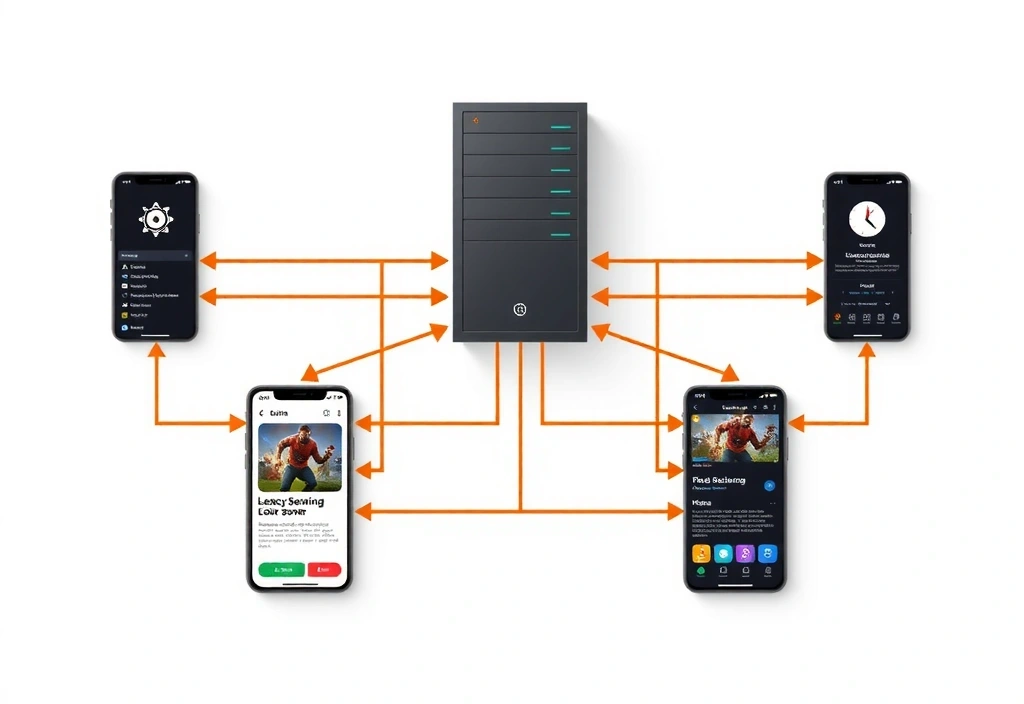
The Fix: Hybrid-Handshake Protocol
We implemented a new protocol layer that allows players to connect via Rome while the old US instances handle authentication and matchmaking, enabling zero-downtime migration.
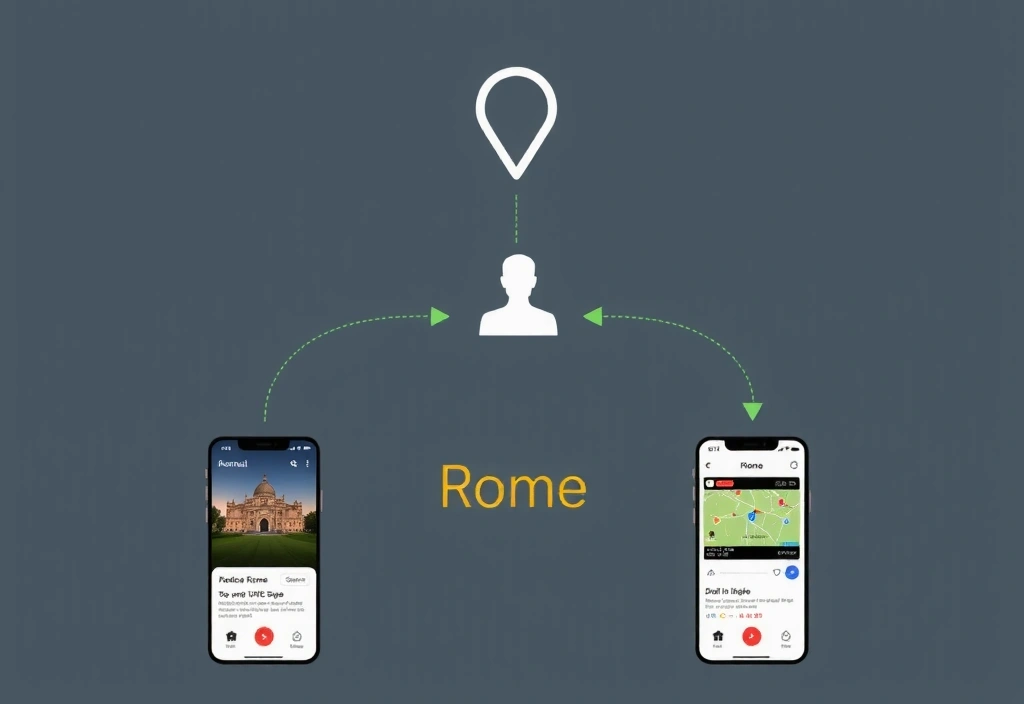
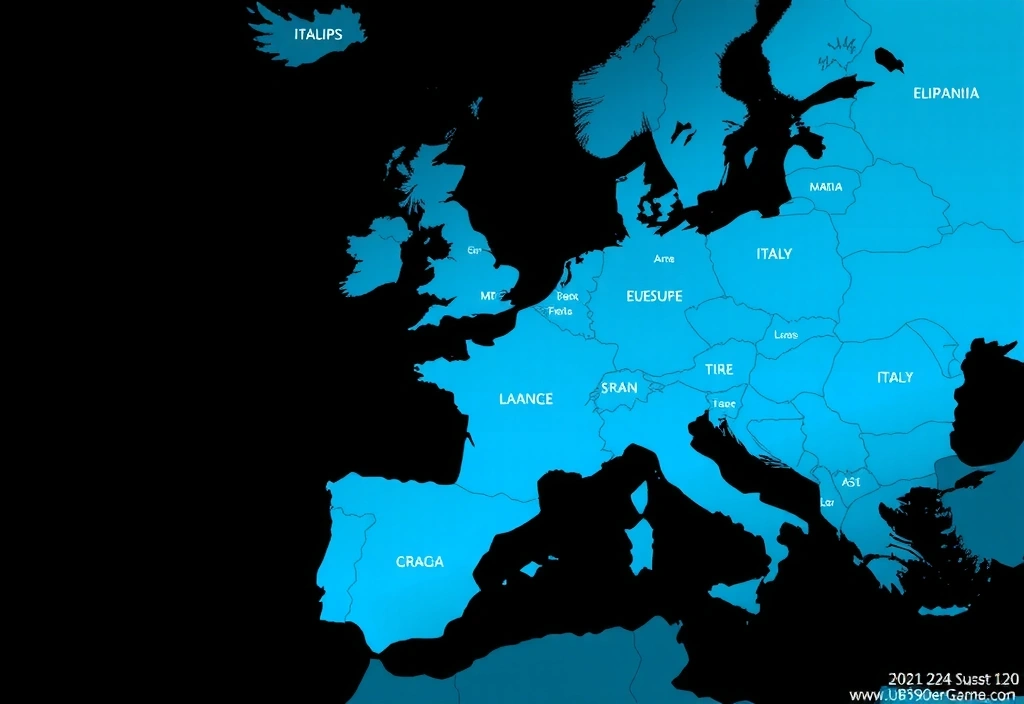
The Metric: 28ms
Latency for 85% of the European user base dropped from 140ms to 28ms. The heatmap visualization shows clear reduction across the Mediterranean basin.
Design Framework
The 'Zero-Friction' Onboarding Matrix
A set of non-negotiable criteria to reduce user drop-off in the first 60 seconds of gameplay.
Ambient Learning
Eliminate mandatory tutorials. Use environmental cues and diegetic UI for discovery.
Adaptive UI Scaling
Initial interaction calibrates touch targets to hand size. No one-size-fits-all.
45-Second First Win
Players must achieve a tangible win state (score, unlock, puzzle solved) before 60 seconds.
Audio-Visual Parity
All audio cues must be recognizable without visual confirmation (WCAG Level AA).
Art Direction Case
The 'Glitch' Aesthetic: A Post-Mortem
Raw notes from our digital artist's sketchbook. Not a finished portfolio piece.
Philosophy: Intentional Imperfection
Digital artifacts signal raw energy, not failure. We use chromatic aberration as a feedback mechanism—its intensity scales with combo multiplier. This turns a "bug" into a reward.

// Vertex Shader Snippet
displacement = audioLevel * maxDistortion;
gl_Position.xy += shakeVector;
During the "Boss Fight," the viewport shakes 2.5% of its width. We calibrated this to induce adrenaline without triggering motion sickness thresholds.
Constraint: Epilepsy Safety
The entire aesthetic must be toggleable via "Clean Mode" in settings. This doubles the asset load but is non-negotiable.
Micro-Scenario
A player reported that the "glitch" pulse on a successful parry made them feel "invincible." Data showed a 15% higher retry rate after using the parry.
Glossary Entry
Chromatic Aberration is used as a reward. Intensity scales from 0% (idle) to 100% (full combo). It is a feature, not a bug.
Ethical Framework
The 'Vesuvius' Monetization Model
A transparent framework balancing player trust with sustainable revenue.
Rule #1: No Pay-to-Win
All purchasable items are cosmetic or convenience (time-savers). Game balance remains accessible to free players.
The 'Volcano' Curve
High-value bundles only appear after 10+ hours of organic play. Never dangle a premium offer before a player is invested.
Transparency Tag
Every item shows its "Real Money Equivalent" clearly in the UI. No hidden conversions.
Pivot from 'Battle Pass' Fatigue
A/B tests showed declining engagement. We moved to a 'Seasonal Gift' model—unlocks granted for play, with optional purchases to accelerate.
Measured Outcome
Lifetime Value (LTV) increased by 22% while maintaining a 4.8/5 store rating. Revenue grew without eroding player trust.
Method Note: How We Evaluate Robustness
Our solutions aren't always universally applicable. We evaluate them against three core axes:
-
•
Performance Debt
Does the solution incur future maintenance costs? (e.g., bypassing OS memory management is a technical debt we document).
-
•
Scalability Limits
Will it break at 100x the traffic? The Rome migration was stress-tested with synthetic load 5x the projected peak.
-
•
Cultural Decay
Will this feature feel odd in 2 years? The 'glitch' aesthetic was designed with a decay filter to look intentional, not obsolete.
Decision Lens: Choosing the Right Case Study
When should you apply these lessons? Use this filter.
Criteria: Hardware Fragmentation
Optimize for the "Neon City Protocol" if your game is GPU-heavy and runs on mid-tier devices (2019+).
Sacrifices: Higher battery use.
Criteria: Regional User Base > 40%
Apply the "Rome Server Migration" logic if latency directly impacts core gameplay (e.g., PvP, rhythm games).
Sacrifices: Higher upfront infrastructure cost.
Criteria: Live-Service Model
The "Vesuvius Model" is critical for games with recurring content updates and a trust-sensitive audience.
Sacrifices: Short-term conversion rate (requires patience).
Ready to Write Your Own Case Study?
Every project starts with a clear-eyed assessment of constraints. Let's discuss your app's specific challenge, budget, and timeline.