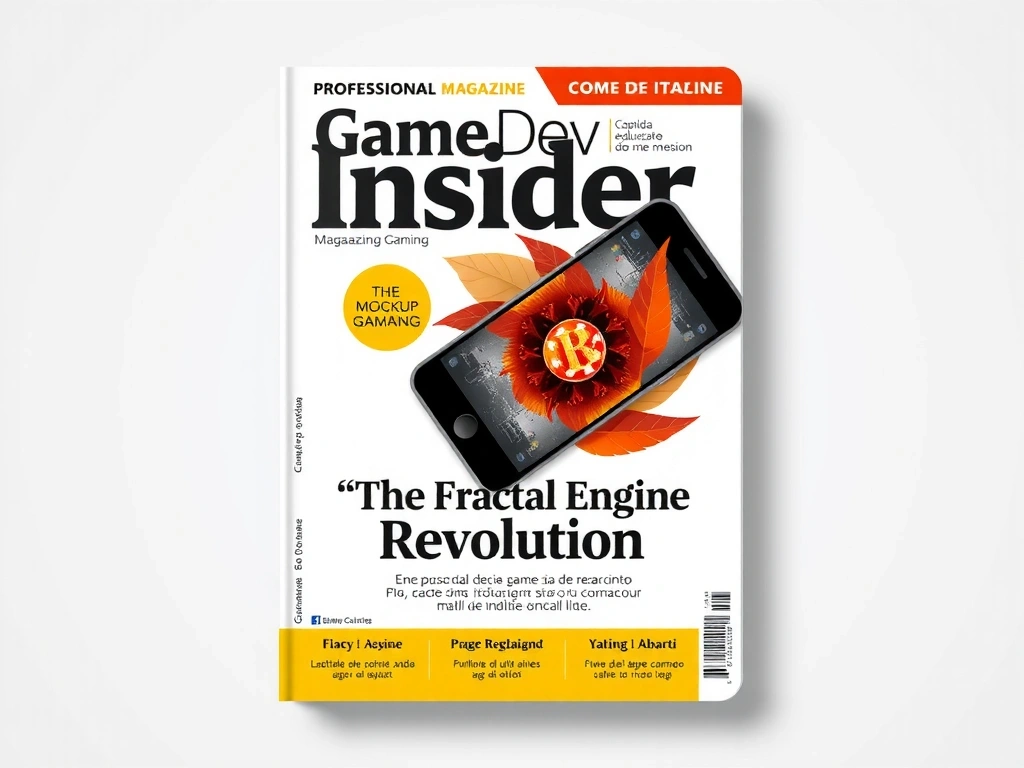
Excerpt: '...a procedural artistry toolset that feels less like code and more like a digital brush for Italian landscapes.'
Q2 2025
Fractal Engine Feature
Major profile on our core rendering technology.
Our work in Italian gaming apps has been documented by industry critics and celebrated by peers. This is not a trophy case—it's a curated map of our creative dialogue with the market, our technical breakthroughs, and the moments that defined our trajectory.
A press mention or an award badge is not a guarantee of product-market fit. Our internal evaluation framework separates industry praise from player value. We track three layers:
Is the source a peer, a critic, or a generic outlet? We weight endorsements from platforms with documented editorial standards (e.g., GameDev Insider, PocketGamer.biz) more heavily than affiliate blog reviews. The constraint here is source bias—we map reviewer history to identify consistent patterns.
Awards often have transparent judging rubrics. For the 'Global Indie Prize,' we dissected the 'Technical Mastery' score against our own QA metrics: crash rate (<1%), load time (<2s), and 60fps adherence. The trade-off: optimizing for a specific judge's benchmark can sometimes reduce modularity for future updates.
The final filter is long-term retention. An app can win a 'Best Narrative' award yet have a 2-day retention under 20%. We cross-reference press with our analytics (Firebase, Appfigures). If praise and player behavior diverge, we investigate the design gap. This is our ultimate robustness test: does the recognition translate to sustained engagement?
Treat awards as a diagnostic, not a destination. A winning submission should strengthen your product, not define it. The most credible recognition aligns with your core metrics.
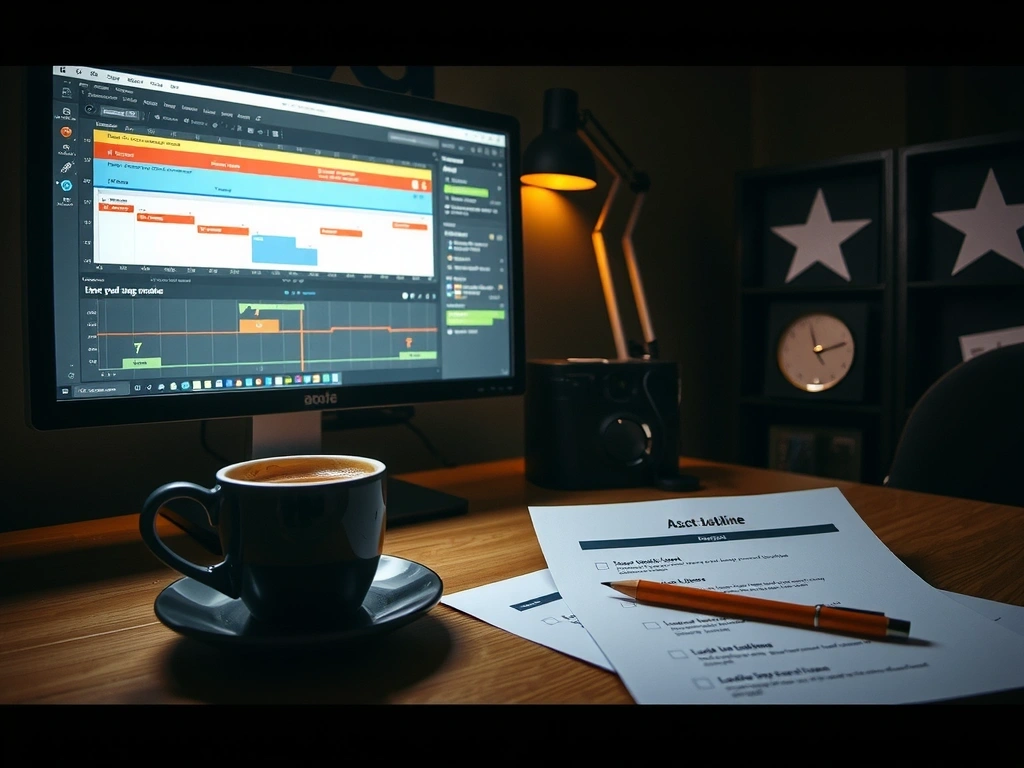
Two days before the 'Global Indie Prize' submission deadline, the final build for "Echoes of Rome" failed the App Store's 5MB binary limit. The core issue: audio assets. The team had a choice: cut features or engineer a new compression pipeline.
The Decision: Instead of stripping the ambient soundscape, we rebuilt the adaptive audio system. We used per-segment compression, looping subtle ambient tracks, and re-recording critical dialogue lines at a lower bitrate. This added 18 hours of work but preserved the atmospheric integrity the judges praised.
The Trade-off: We sacrificed some dynamic range for file size. In post-mortem analysis, player feedback confirmed the atmosphere remained strong (4.7/5 stars for audio), validating the technical compromise. The submission was accepted and flagged for 'Innovation in Audio Design.'
This sprint wasn't an exception; it was a symptom of a late-stage optimization constraint. For indie teams, this scenario highlights a common tension: creative vision versus platform mandates. Pre-submission audits are now a mandatory checkpoint in our workflow.
A visual and contextual breakdown of our coverage. Hover on images to see annotations.
Major profile on our core rendering technology.
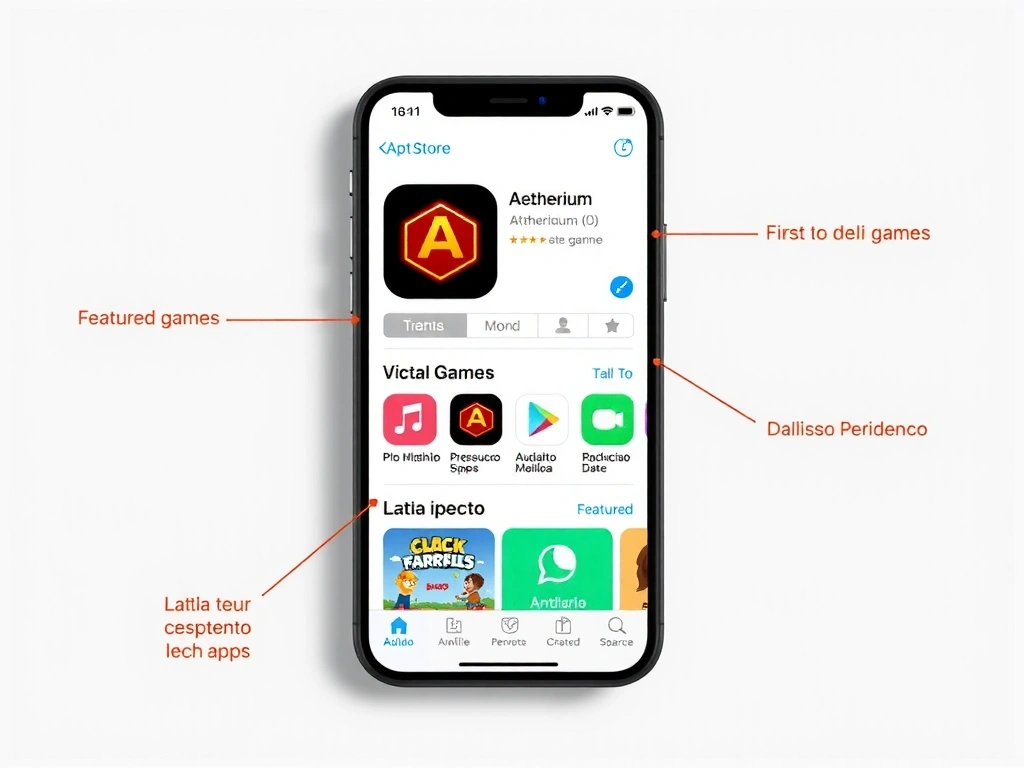
Secondary placement, 30% download lift for 2 weeks.
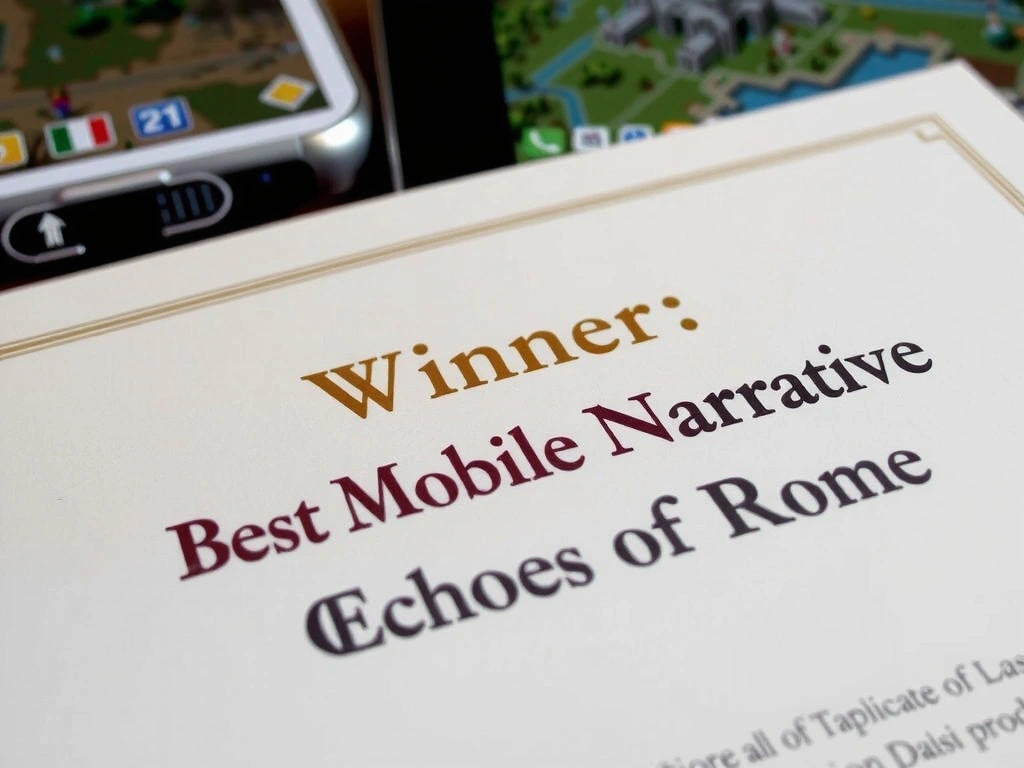
1st place, Regional Indie Showcase.
Our Definition: An approach where code parameters generate visual assets, allowing for infinite variation within a consistent style. In "Aetherium," it generates unique Italian cypress tree silhouettes based on player location data. Not random, but rule-based elegance.
Our Definition: The science of the tap. We map Italian user preferences for tactile feedback (e.g., a pronounced vibration on menu selection) against iOS Human Interface Guidelines to avoid haptic spam. The trade-off is battery life, which we mitigate through context-aware triggers.
Whether you're an indie developer seeking press for a new launch or a publisher analyzing market positioning, our analysis is grounded in data and design clarity.
Via Roma 123
00100 Roma, Italy
+39 06 1234 5678
info@clickaro.pro
Mon-Fri: 9:00-18:00 CET